What it means to love learning.
14 February 2025 - Barry
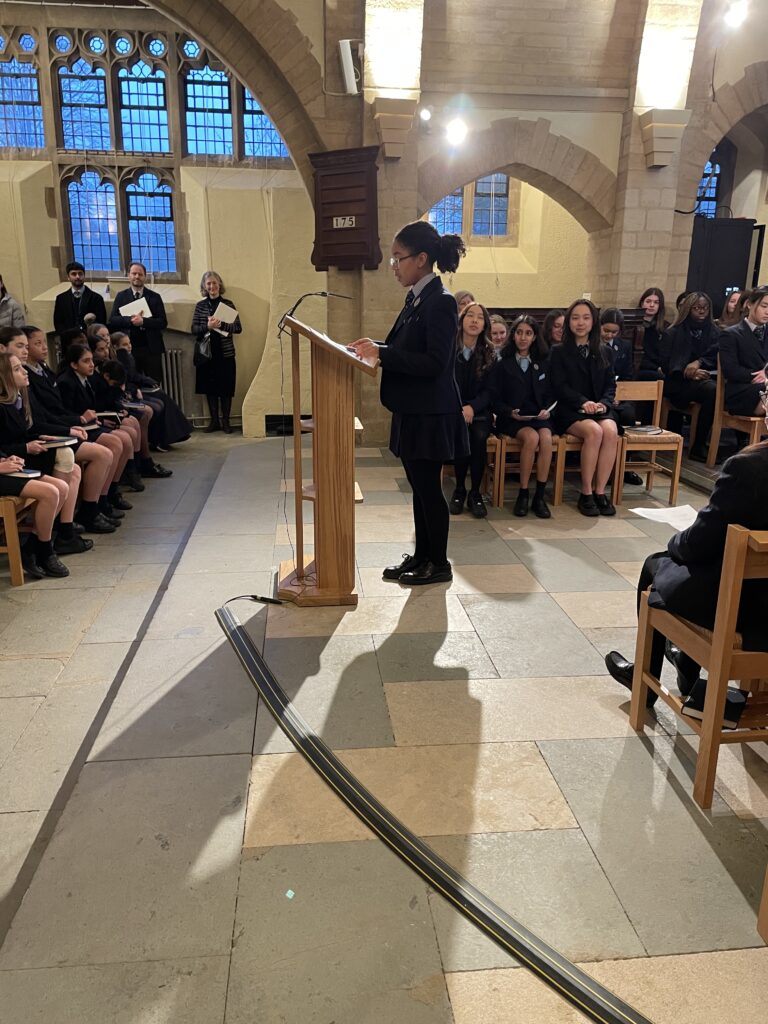
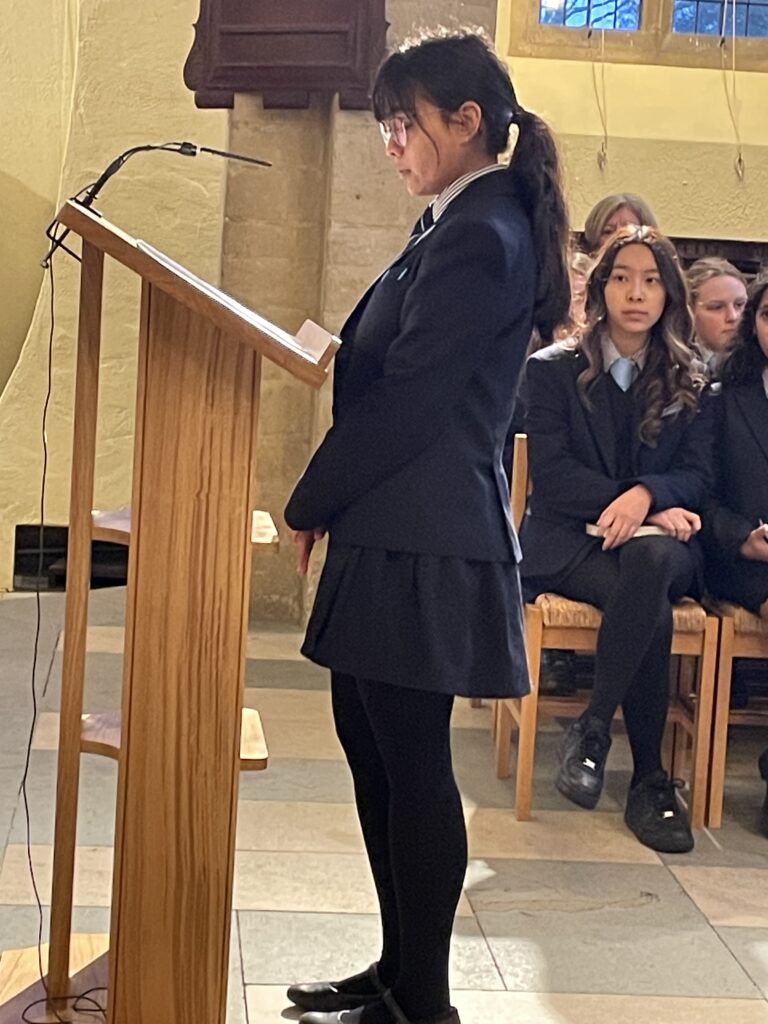
To wonder is a verb easily visualised. It is the impulsive child who looks at the world with awe, pulling at unravelling threads, her stream of why questions seemingly endless to a weary parent. As Plato observed, this innate curiosity is the foundation of our pursuit of wisdom: ‘philosophy begins in wonder.’
There is an argument in Kantian ethics that we should treat people as ends rather than means. People deserve value in their own right, rather than as a means to achieve something else. I would echo this argument and suggest that today’s world often frames learning as a means to an end, rather than something valuable in itself. Good grades, prestigious universities, lucrative careers—if you master the technique of memorisation, you could achieve straight 9s in your GCSEs. That does not mean that exams are easy or without purpose, but they are not the sole markers of success. When learning is reduced to achievement, it becomes transactional. We focus on passing tests rather than engaging with ideas.
In some ways, this transactional element is arguably a source of joy. It provides a sense of accomplishment—tasks completed, to-do lists ticked off, one homework assignment after another finished. This structure can fuel motivation and a sense of progress in daily life. It may not be entirely untrue that ignorance is bliss, but there is also a paradox to the love of learning. It can turn into a curse. The more we learn, the more we realise how much we do not know and cannot know. We are left in a state of constant questioning, an endless search for elusive answers—one that can be both exhilarating and exhausting. To paraphrase Socrates, the greatest realisation is that we know nothing. It is an idea that many find unsettling.
However, I believe it is precisely this endless questioning that makes learning so powerful. It allows us to see the world in all its complexity, encouraging growth rather than complacency. The discomfort of not knowing ceases to be a weakness and instead becomes a mark of true intellectual engagement. Marie Curie, for example, pursued knowledge relentlessly despite societal barriers, driven by an insatiable curiosity about radioactivity. Her love of learning not only transformed science but also paved the way for future generations of women in STEM. In an era of rapid AI advancements, a love of learning equips us to navigate uncertainty with adaptability—a skill that will only grow in importance.
It is a powerful lesson that Plato was the student of Socrates. It demonstrates the role that teachers play in guiding us along the path to a love of learning—to see it as an end rather than merely a means. We are fortunate to experience this daily in Barry House. To me, a love of learning means embracing its inherent paradox and understanding that knowledge is a constantly evolving pursuit—one where the questions themselves are just as valuable as the answers.
So, what is the last thing you learned that truly made you stop and think?
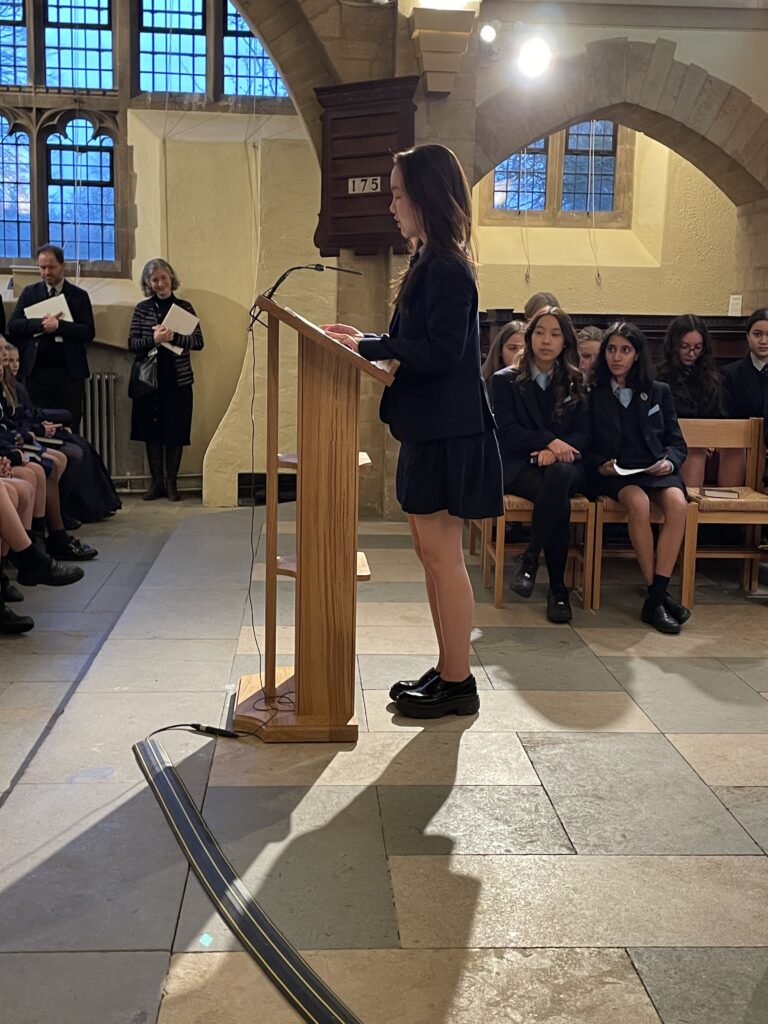
Annika (UV)



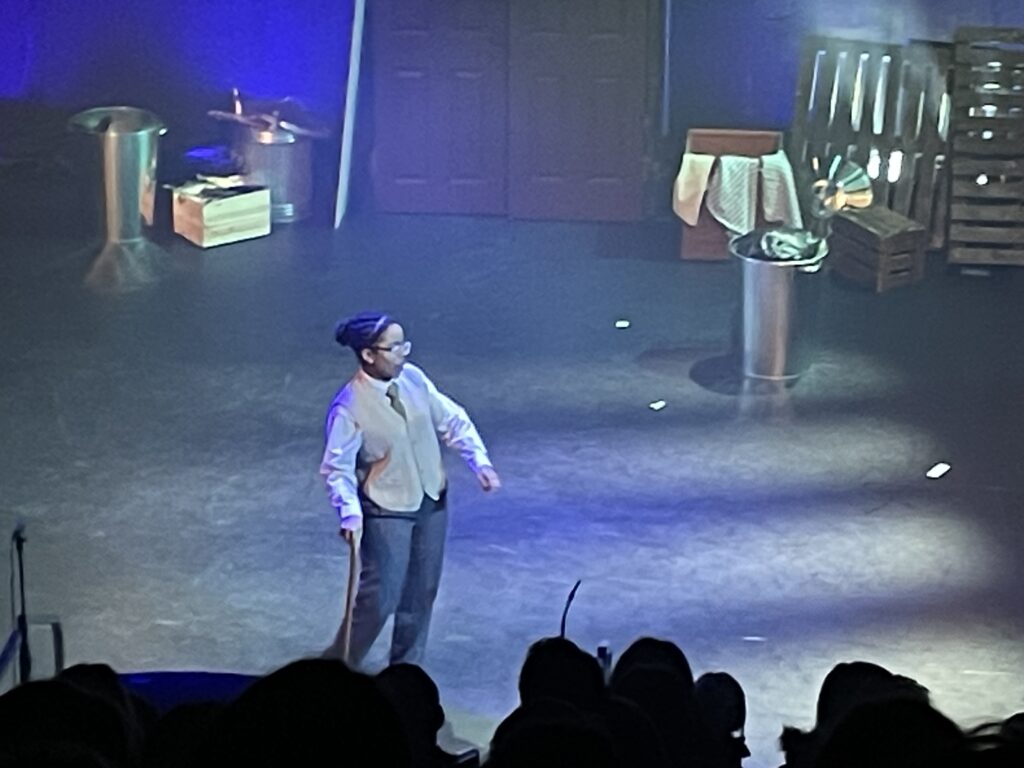

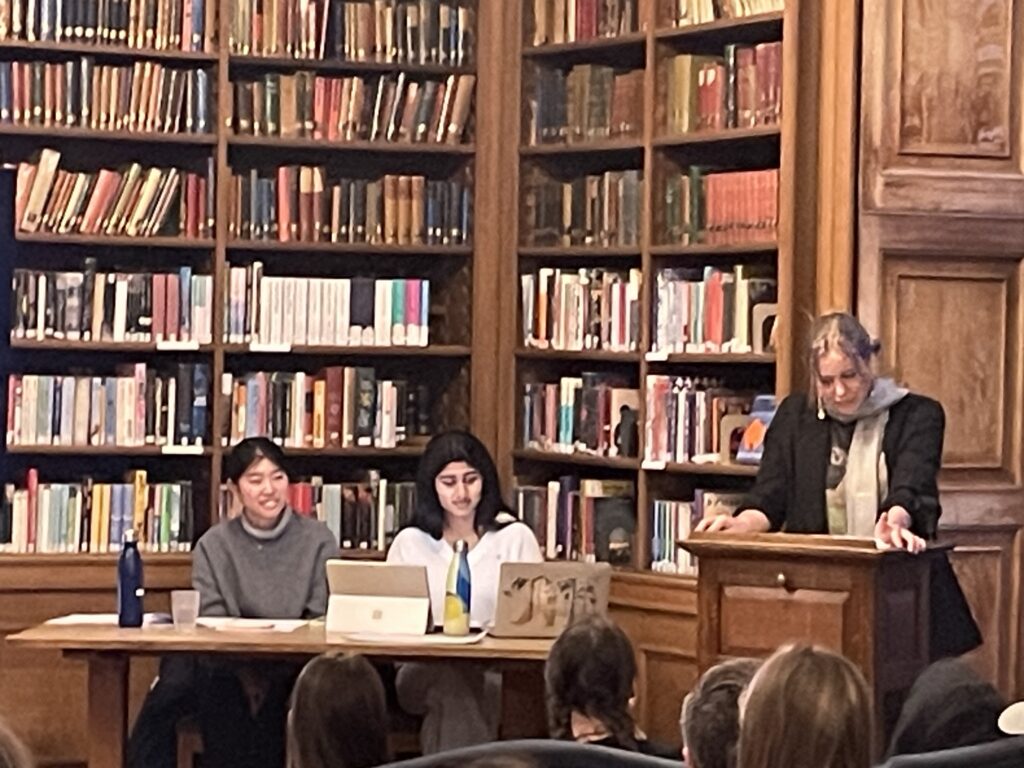
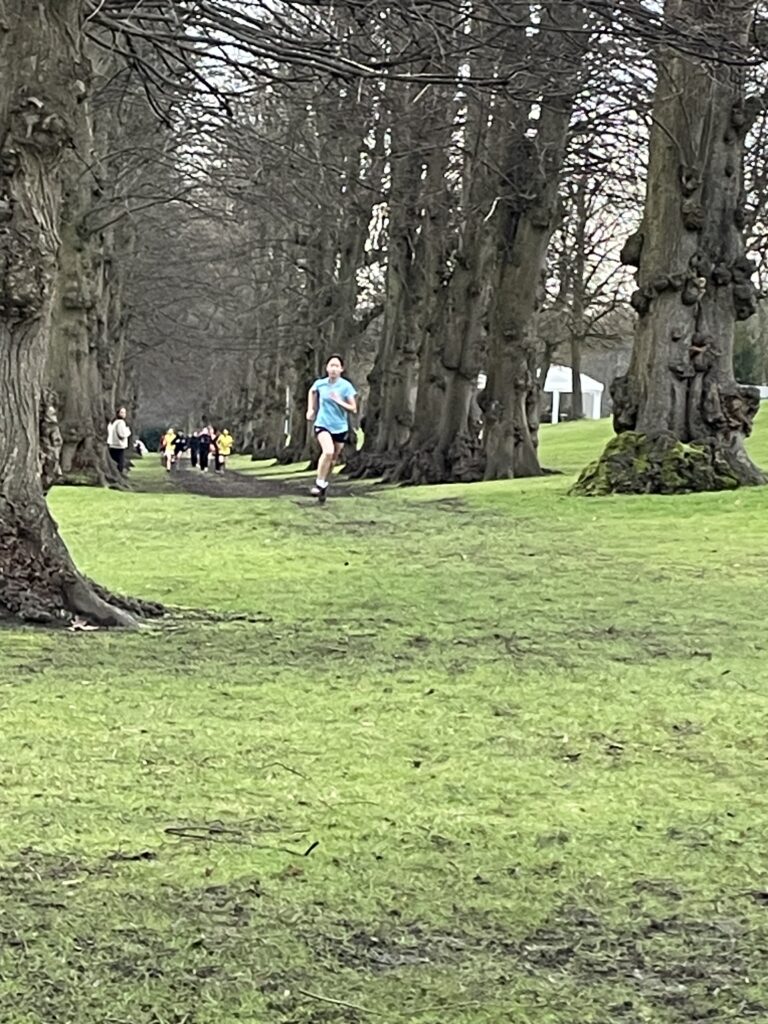
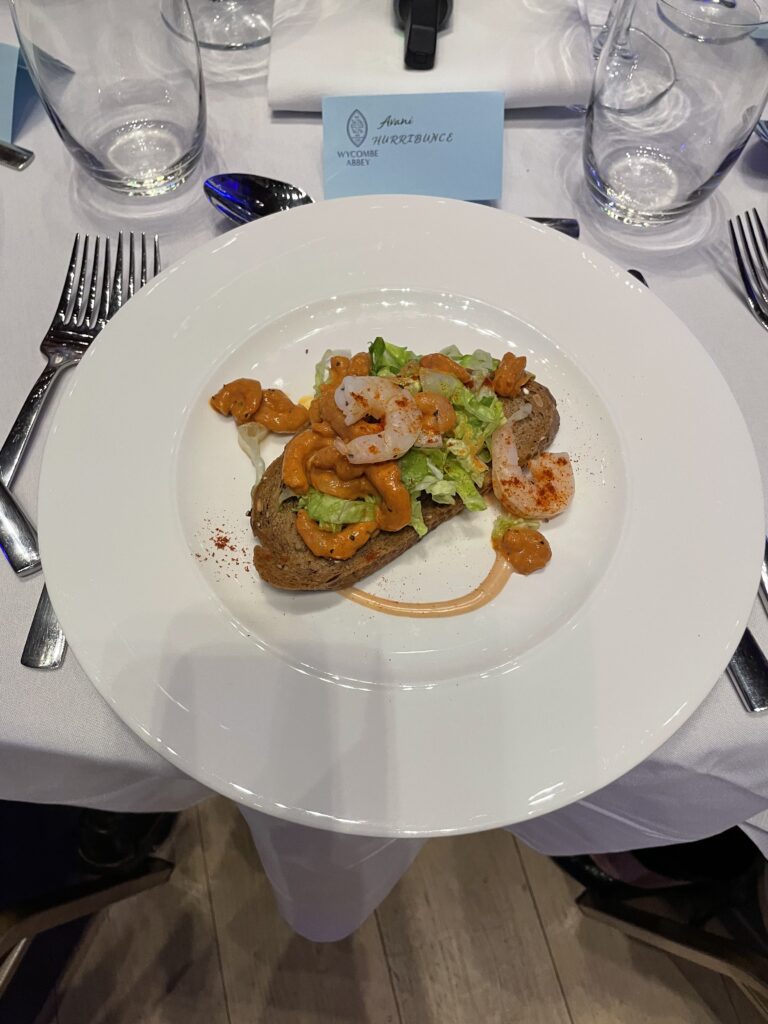



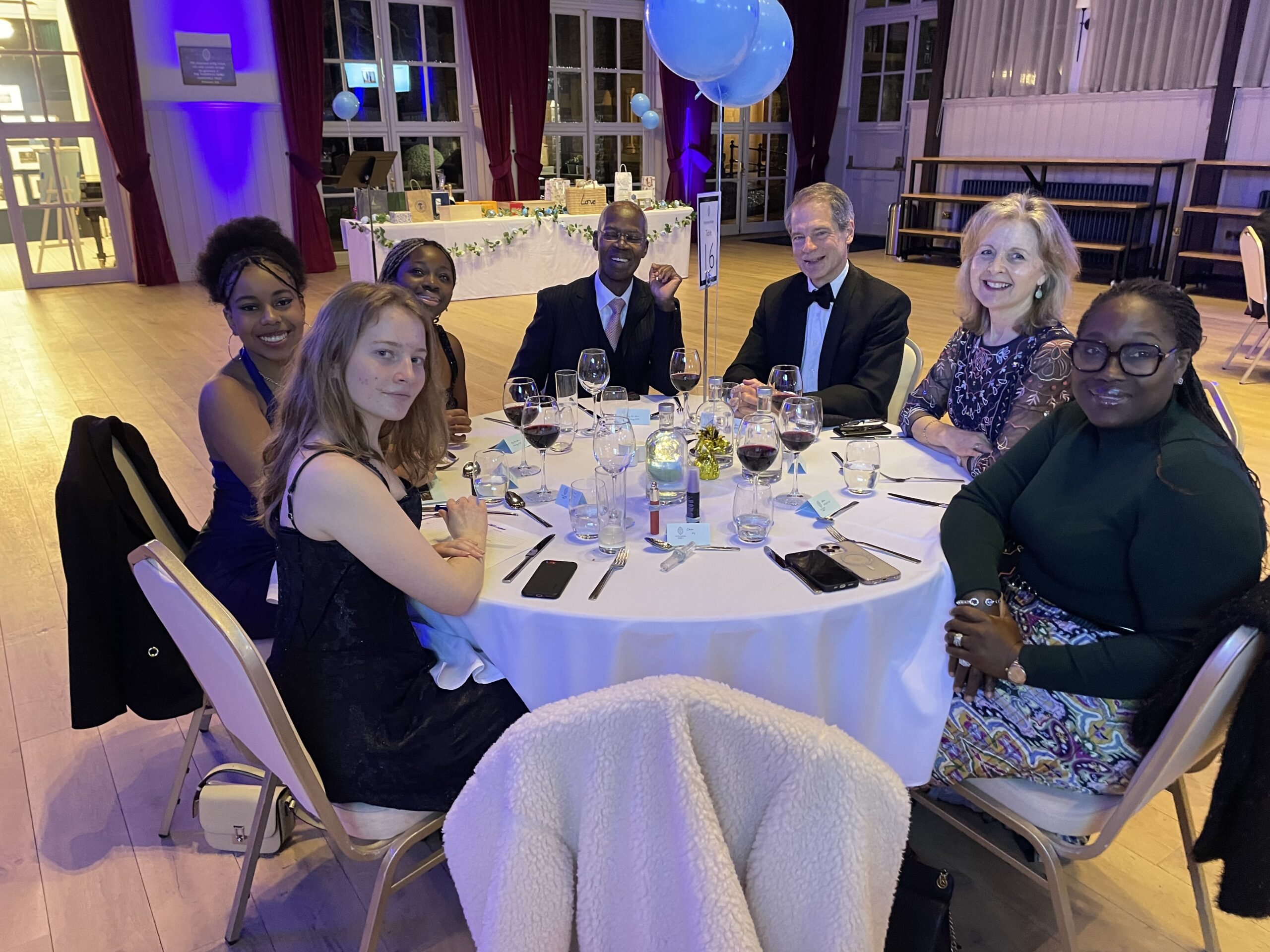
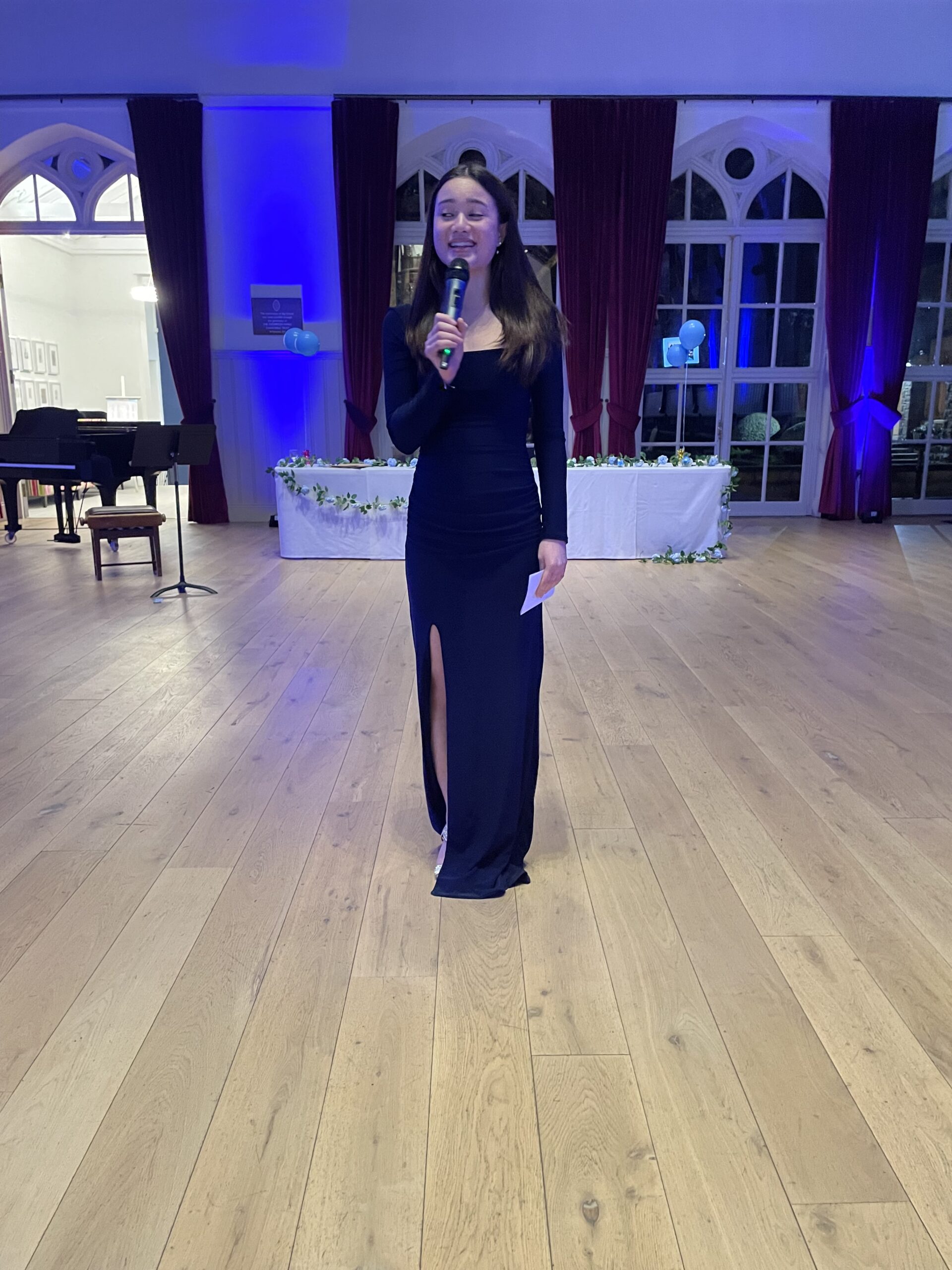

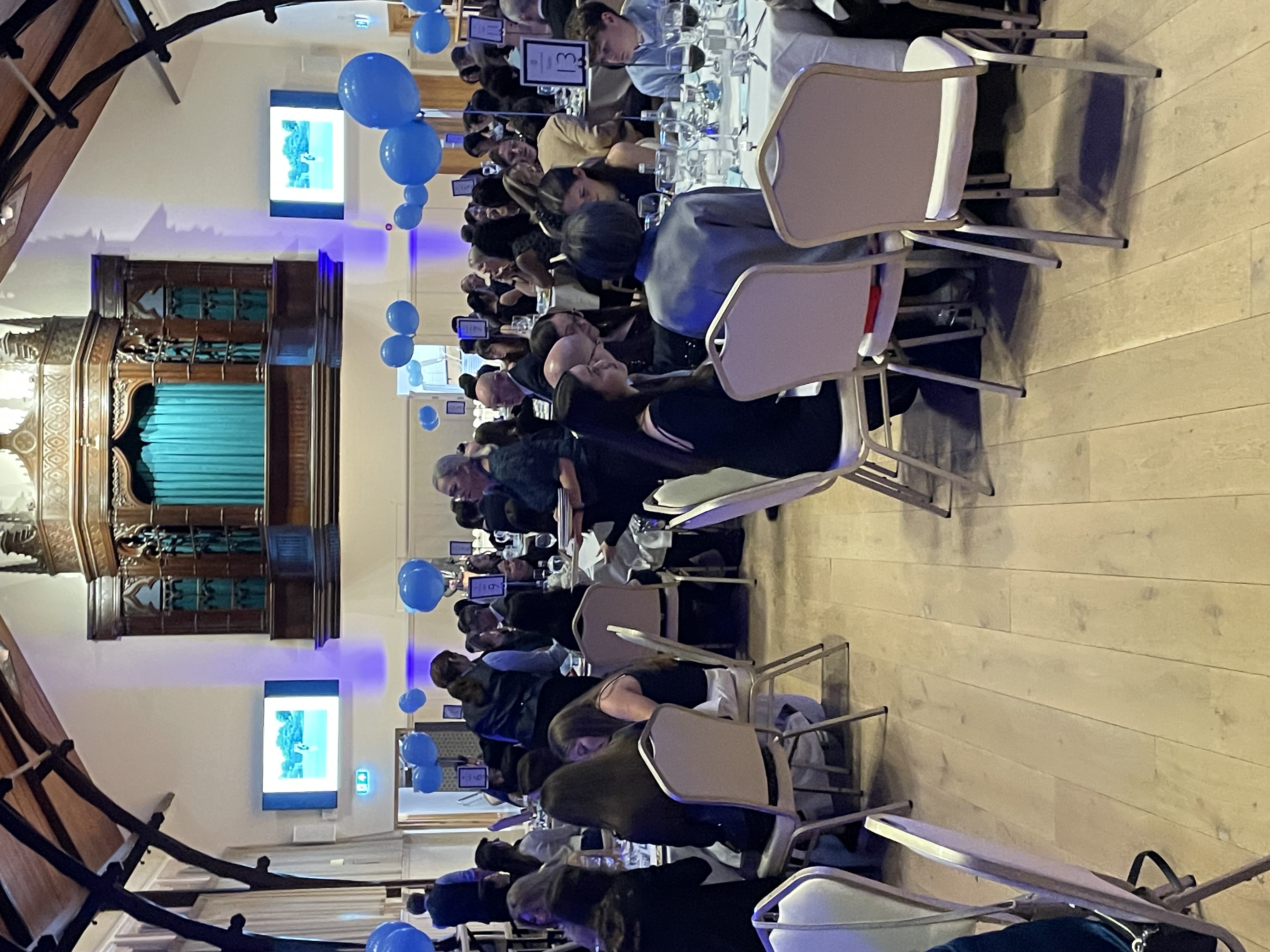

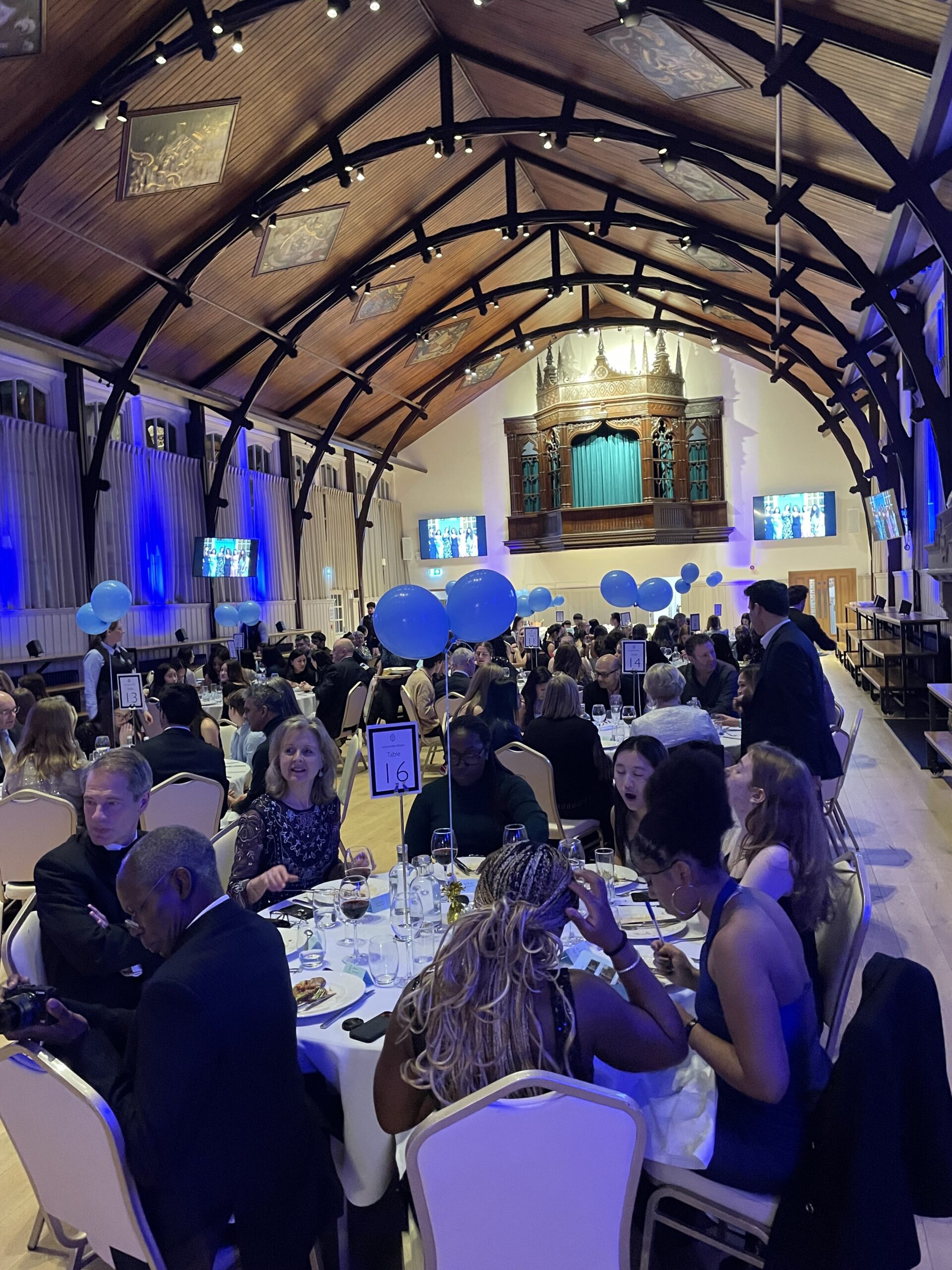

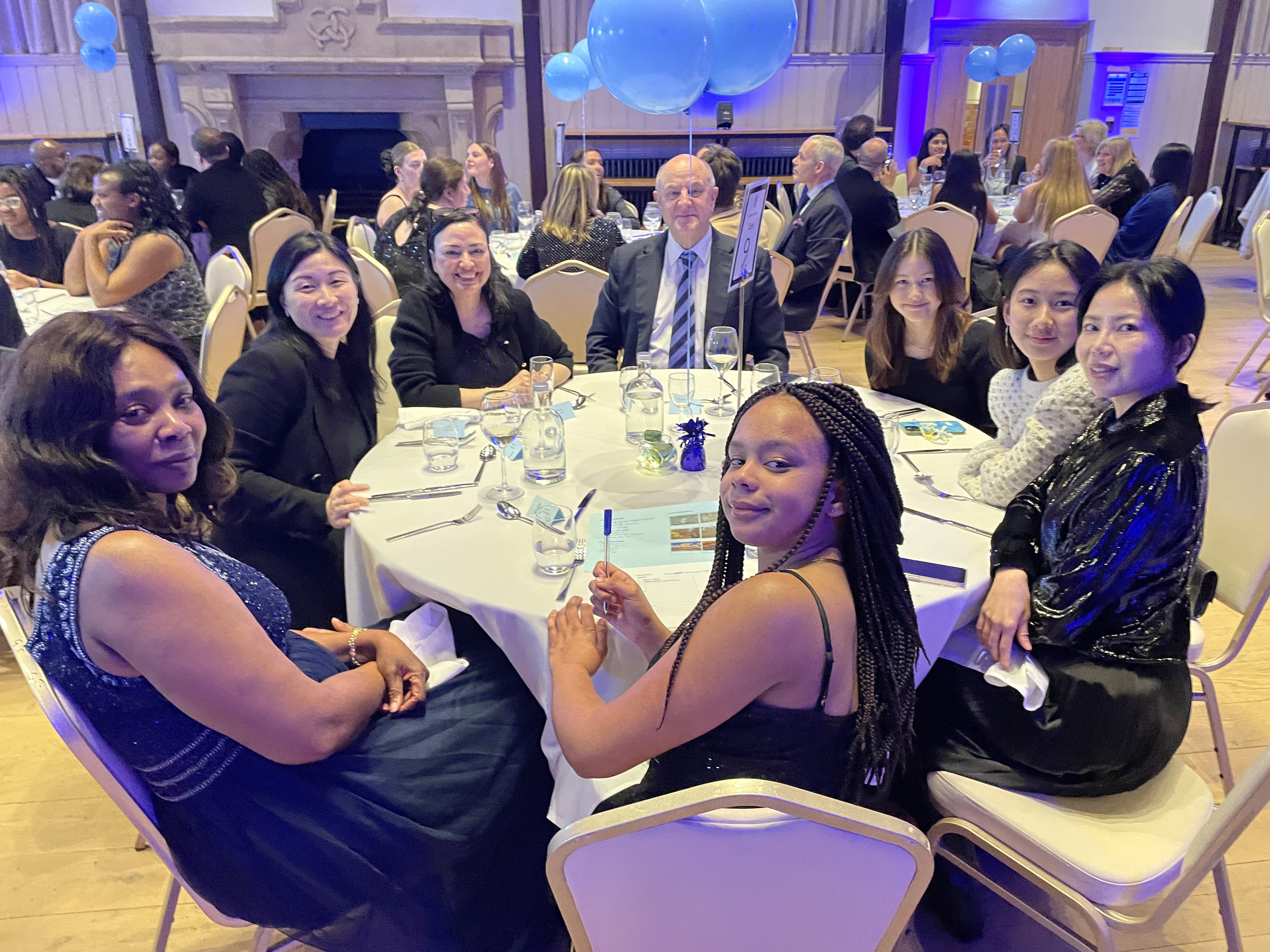
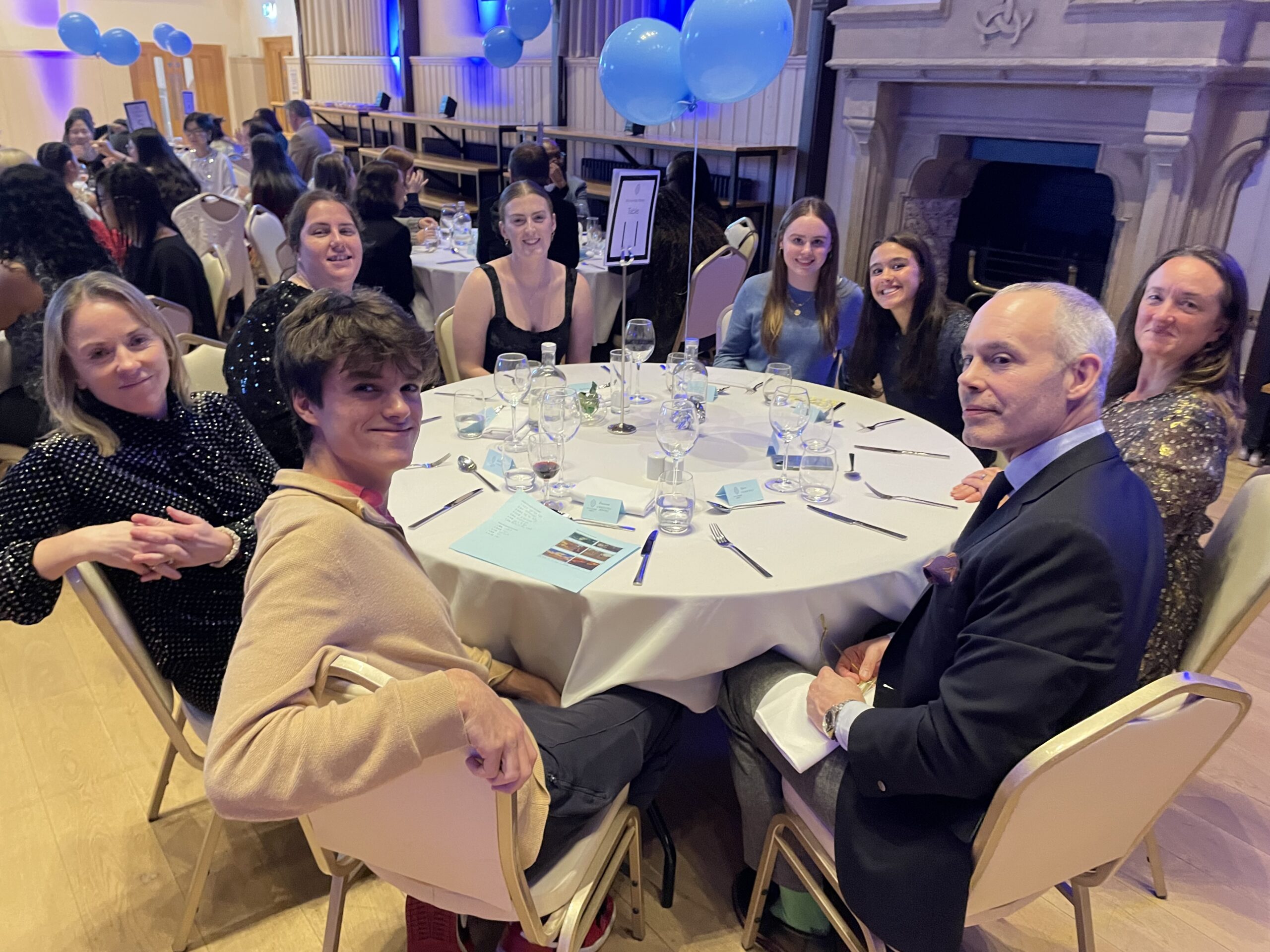
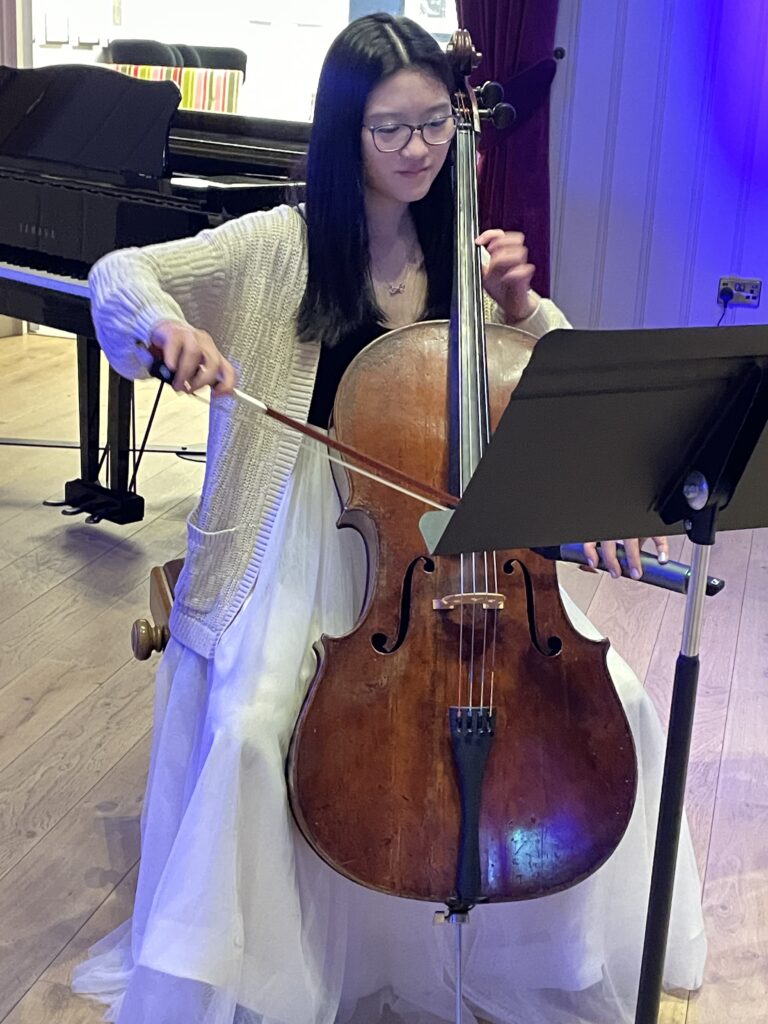

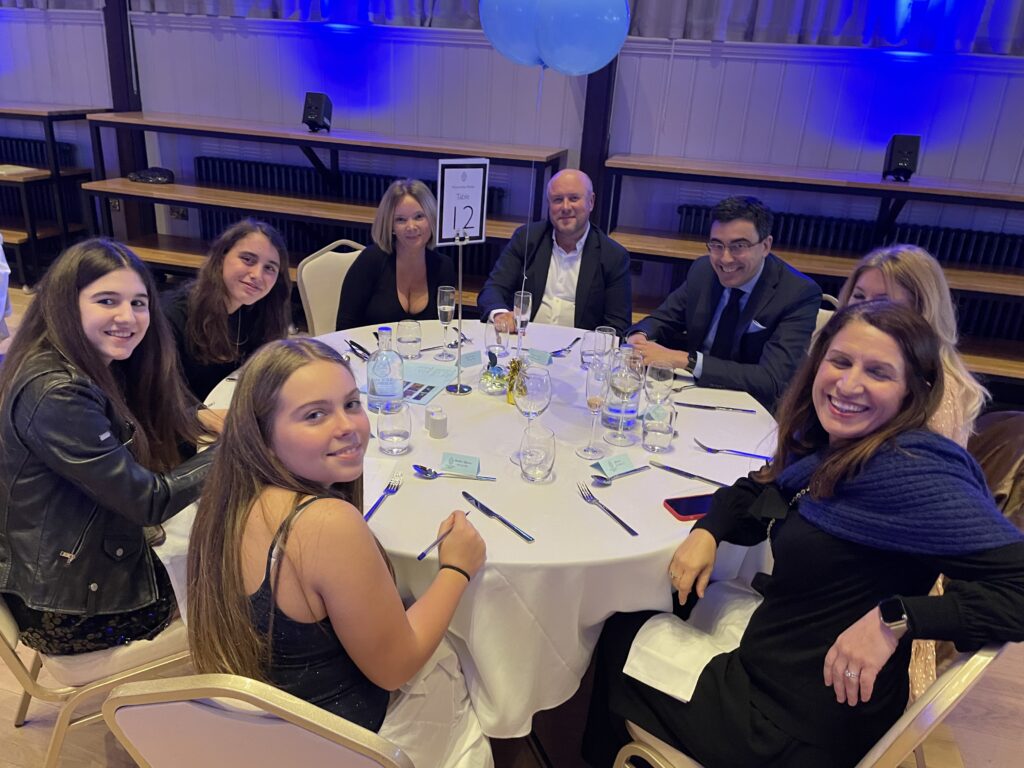



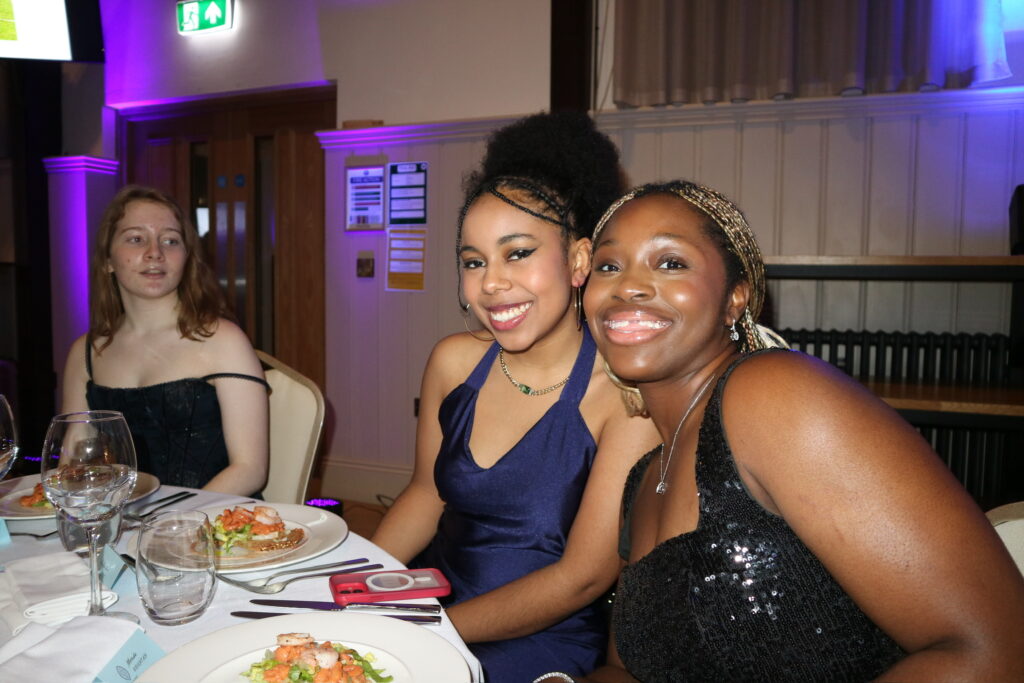


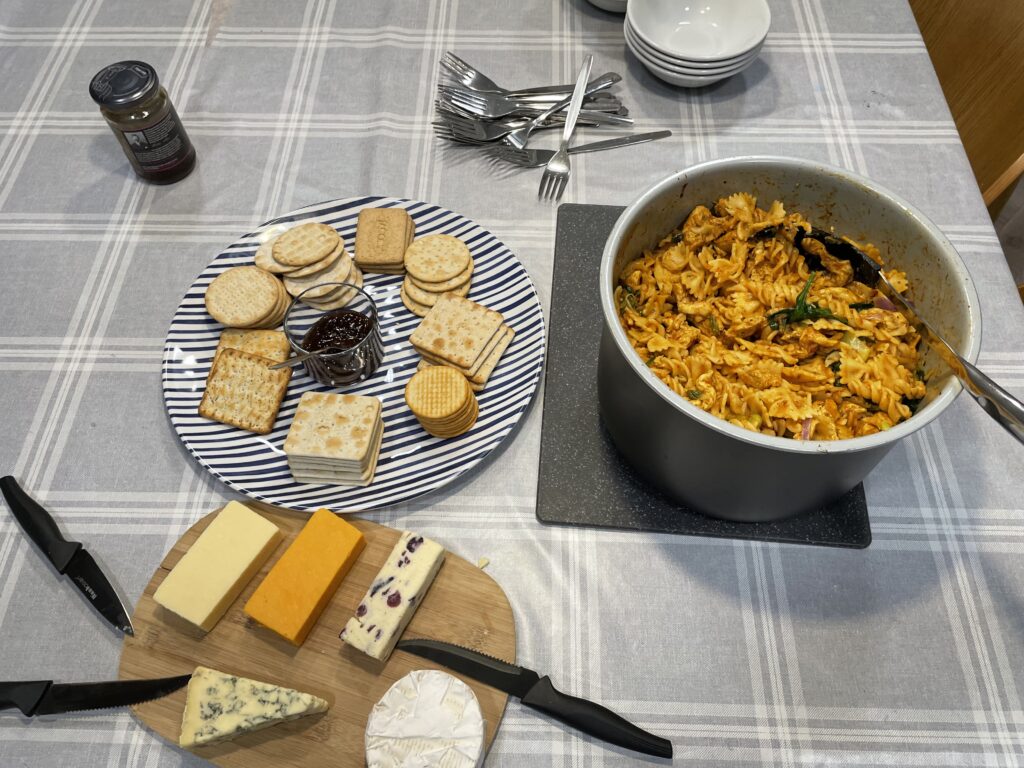

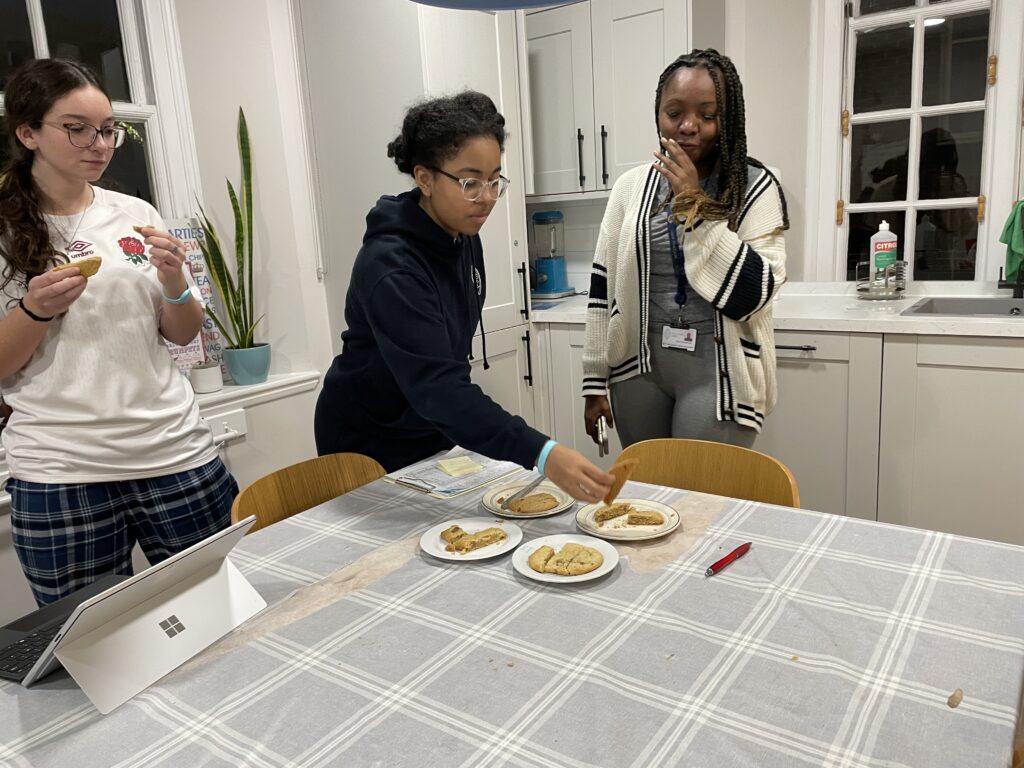
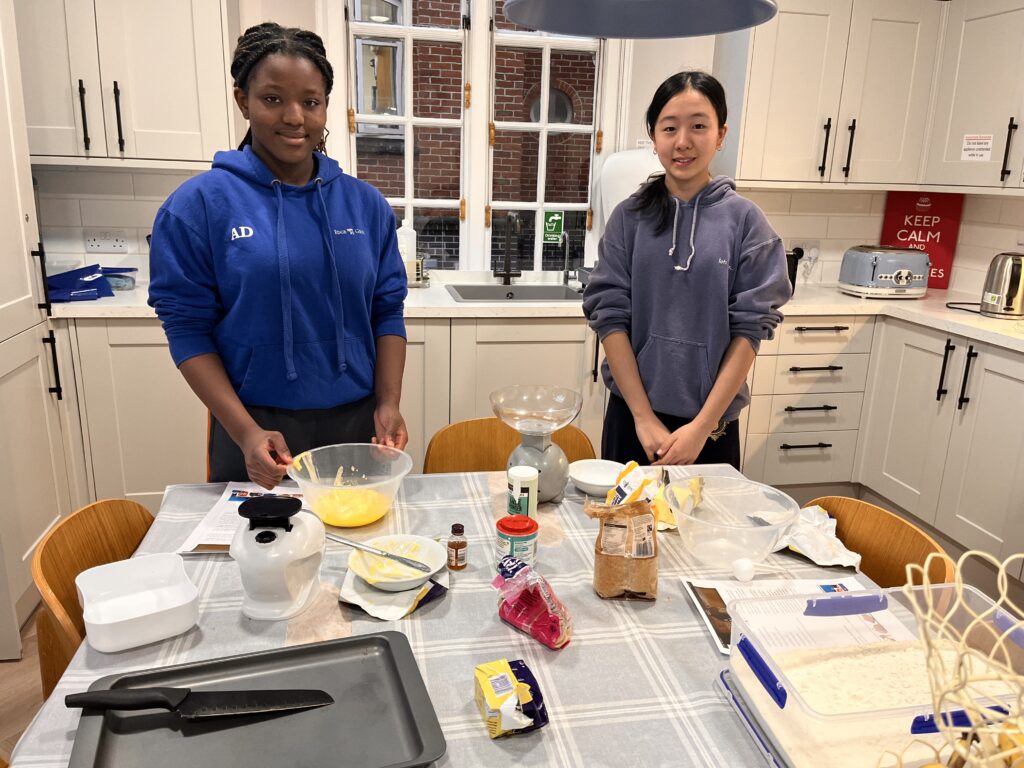

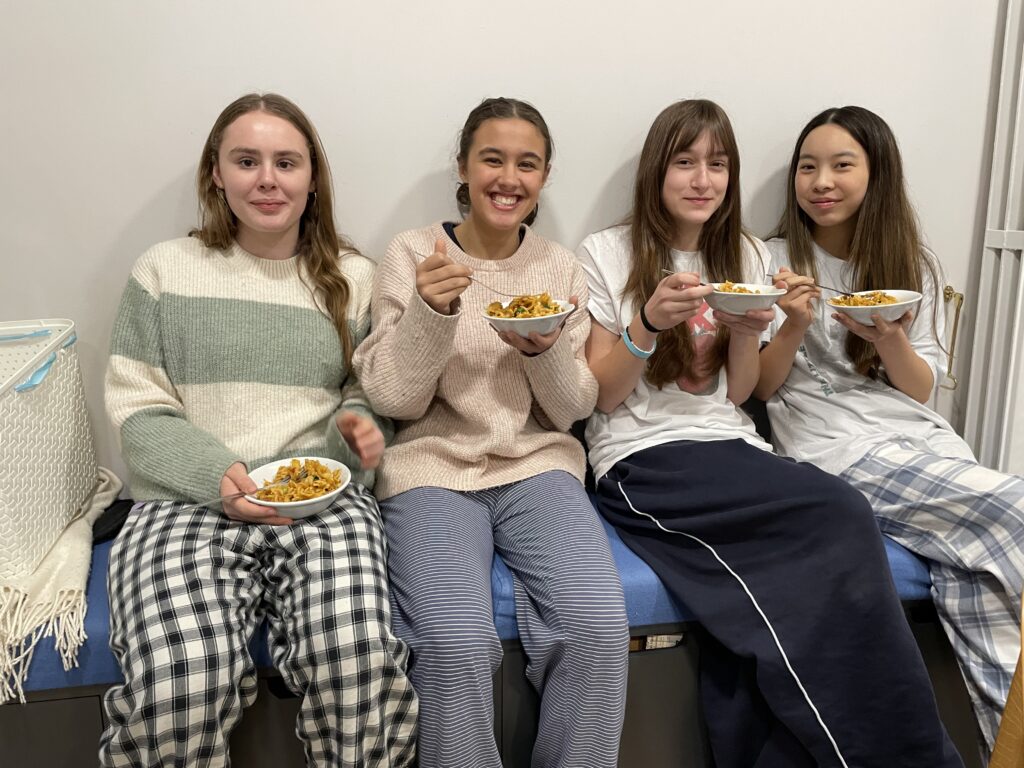




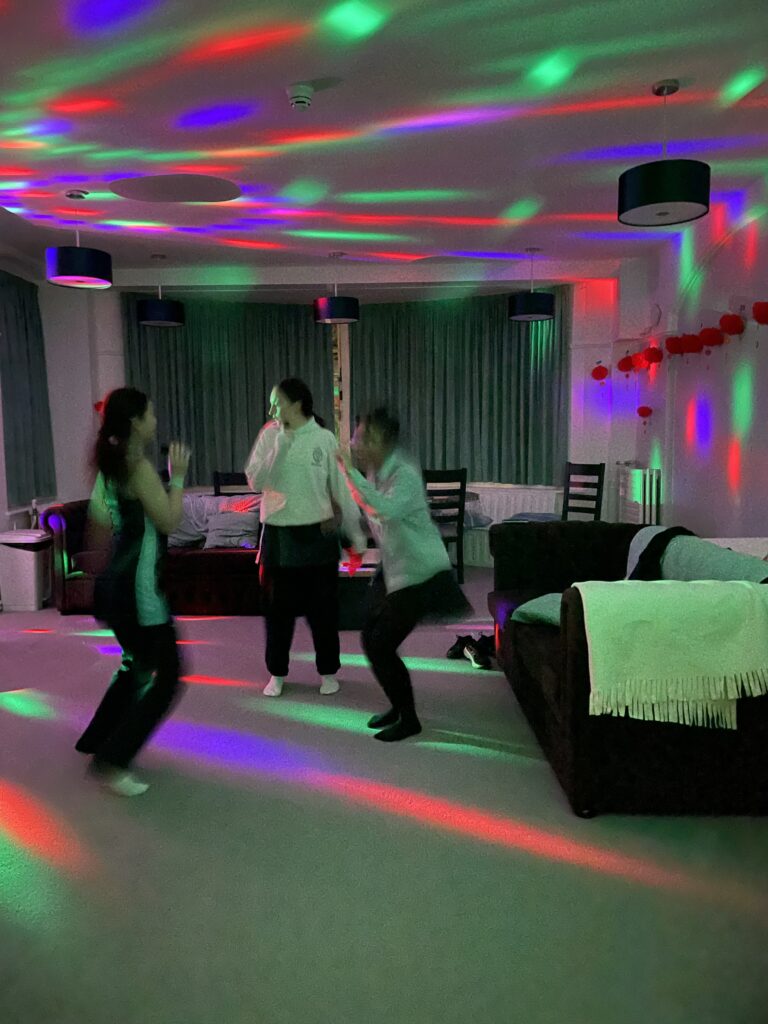

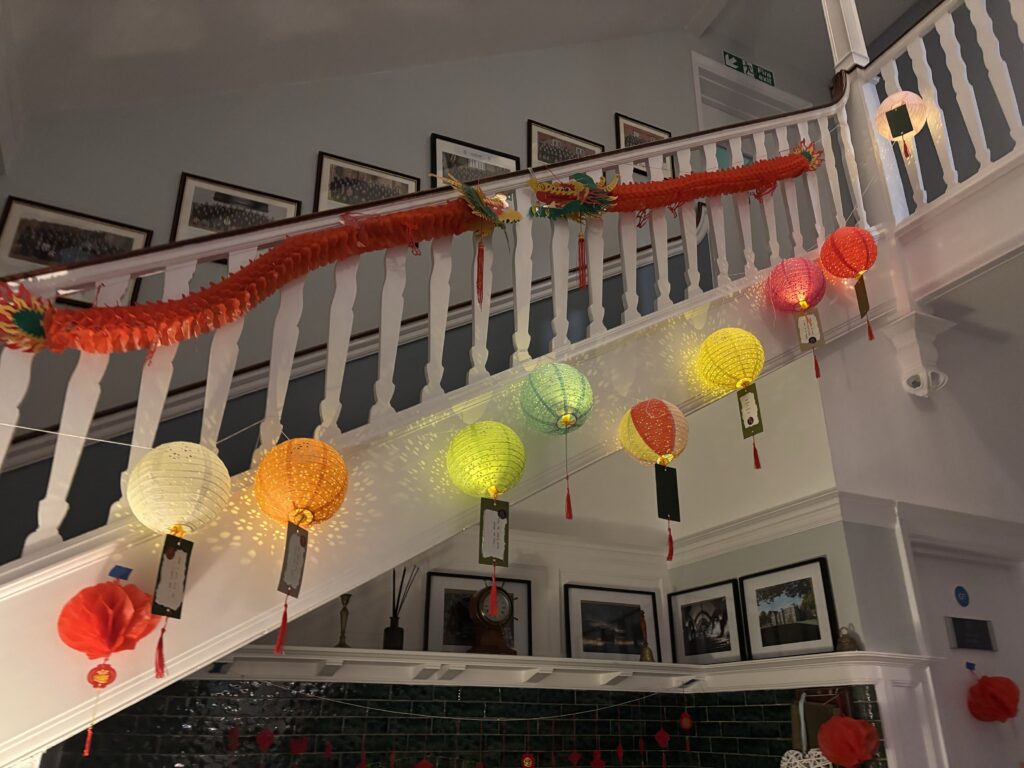
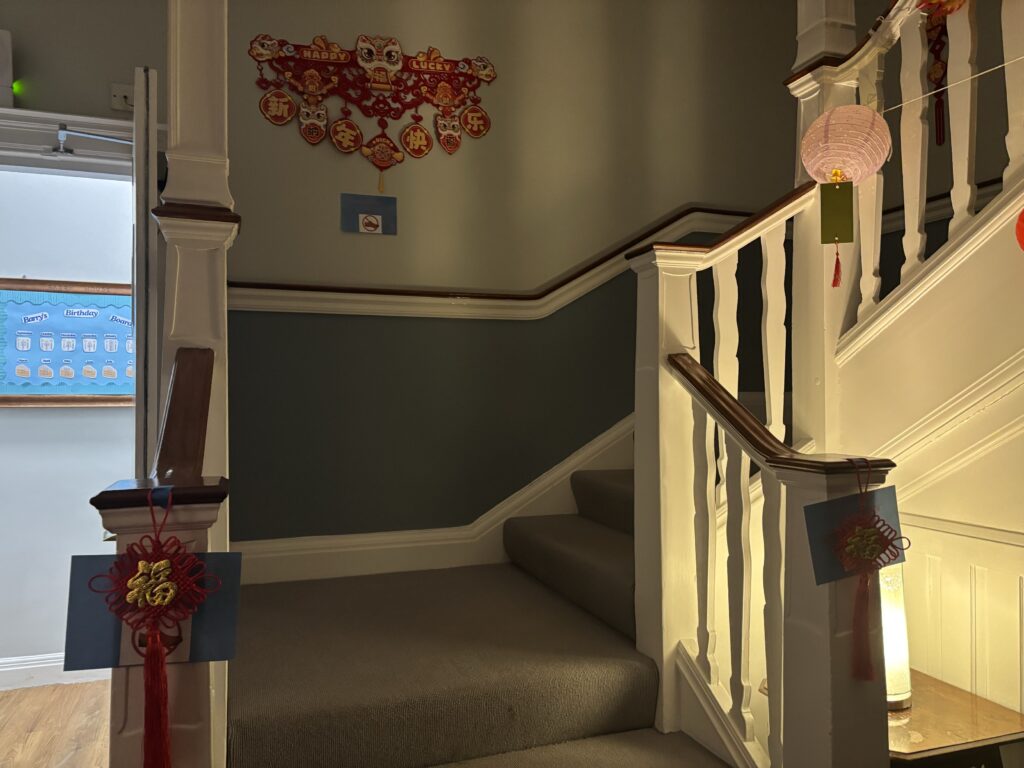

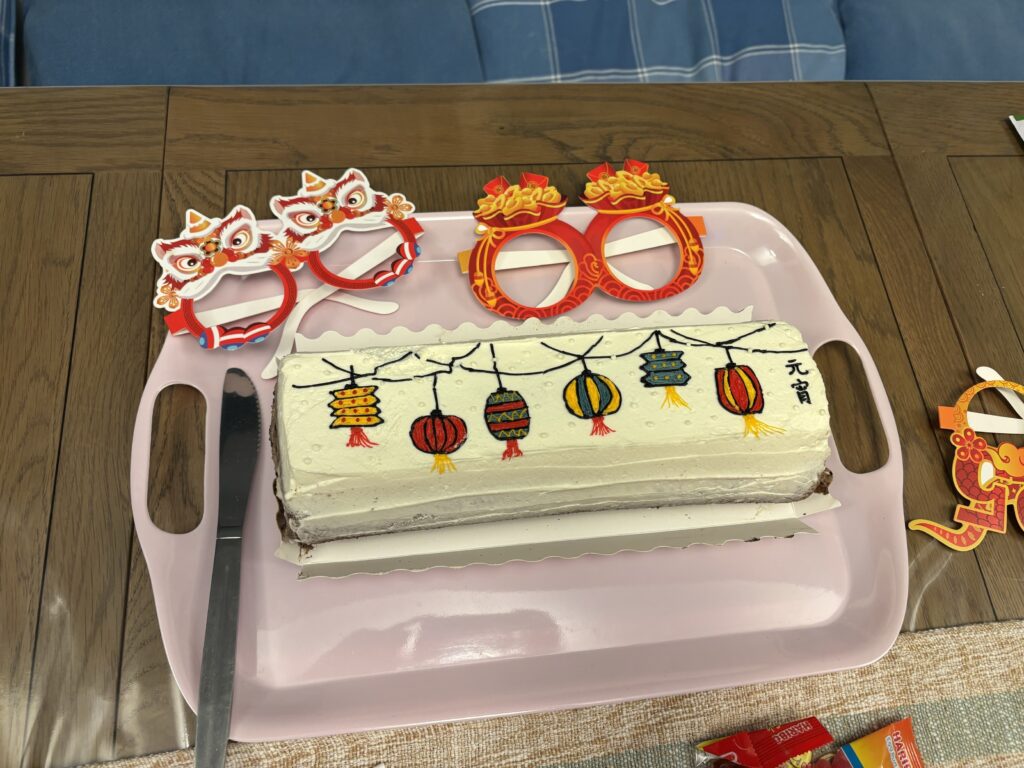
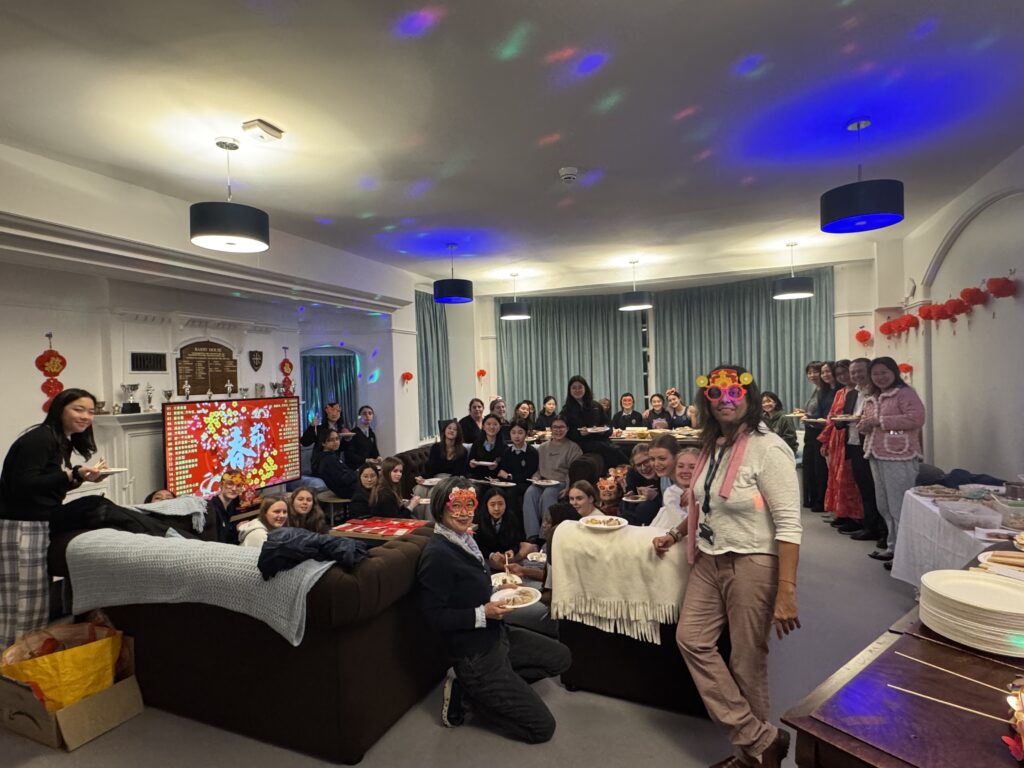
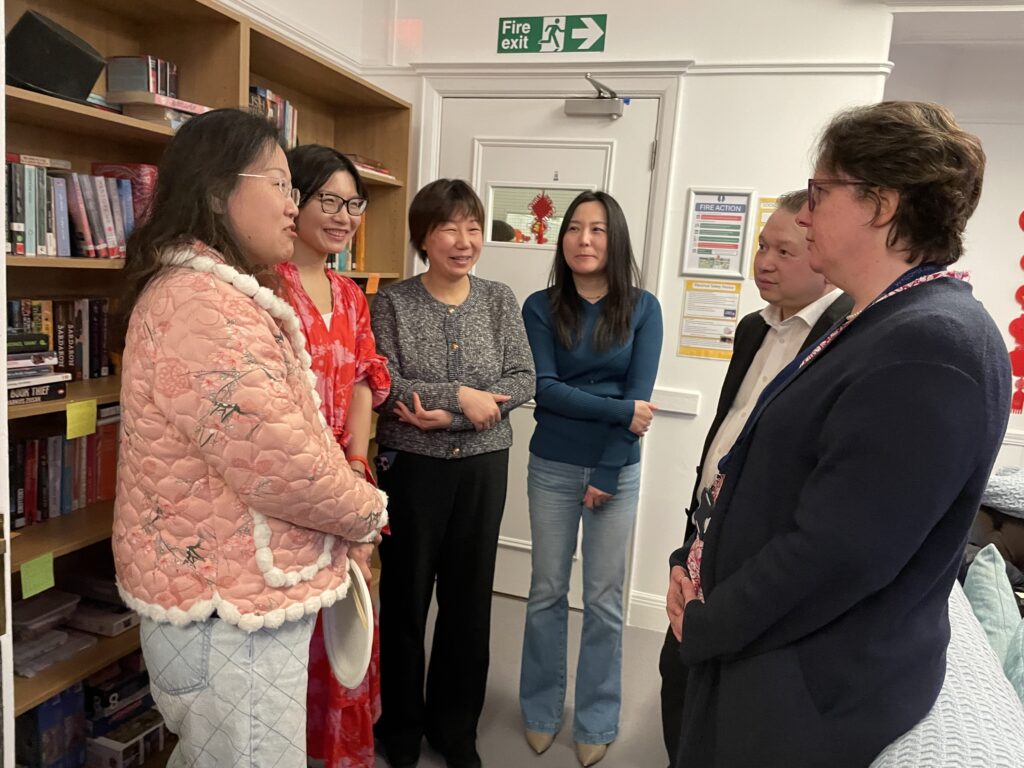
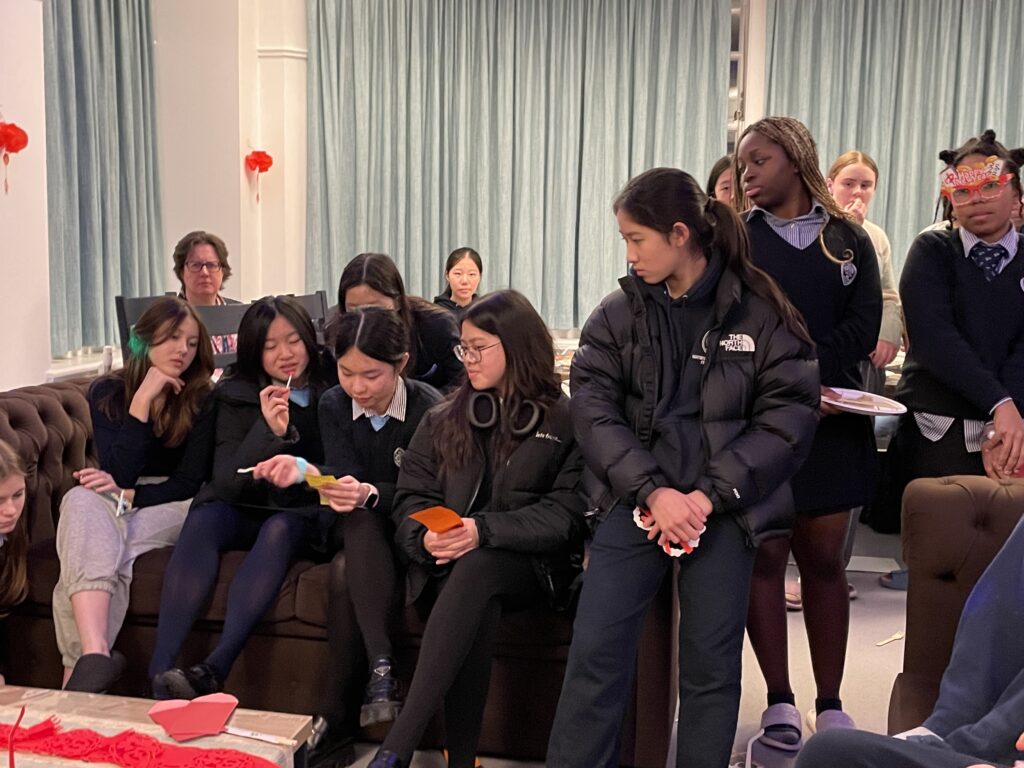
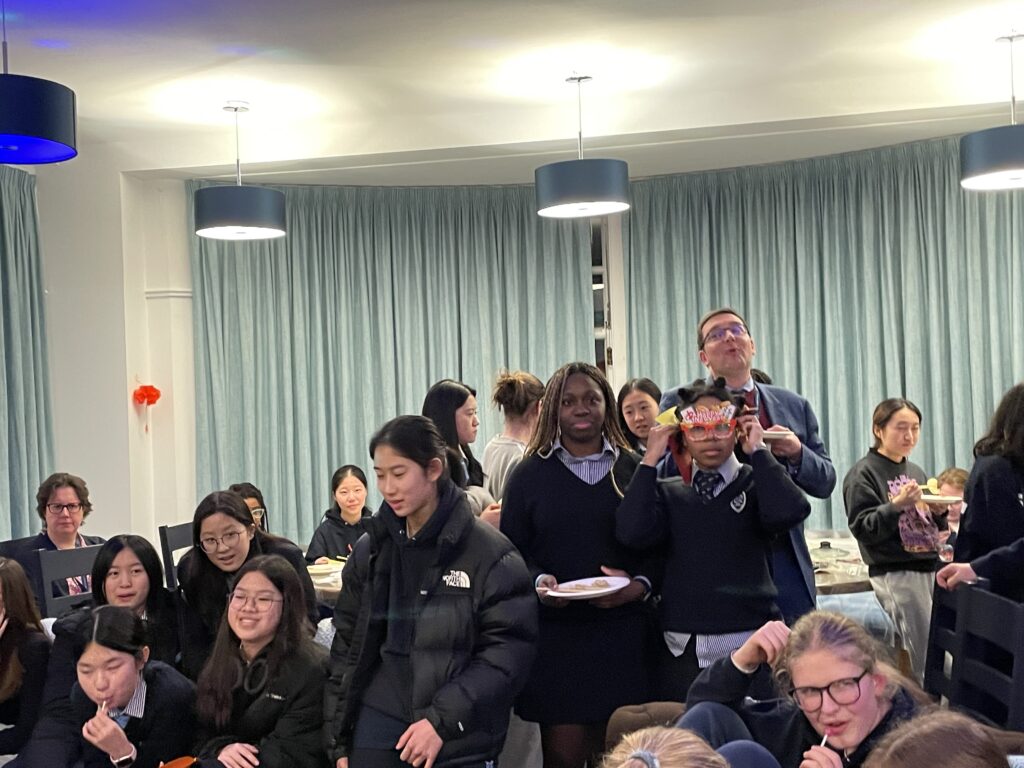

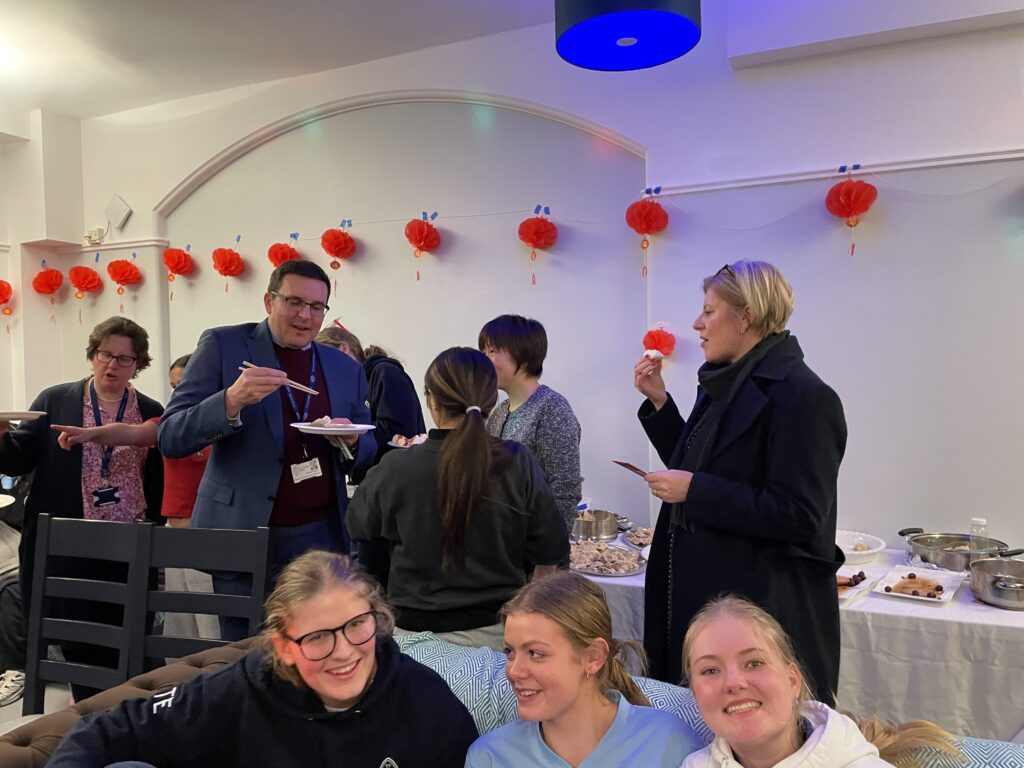
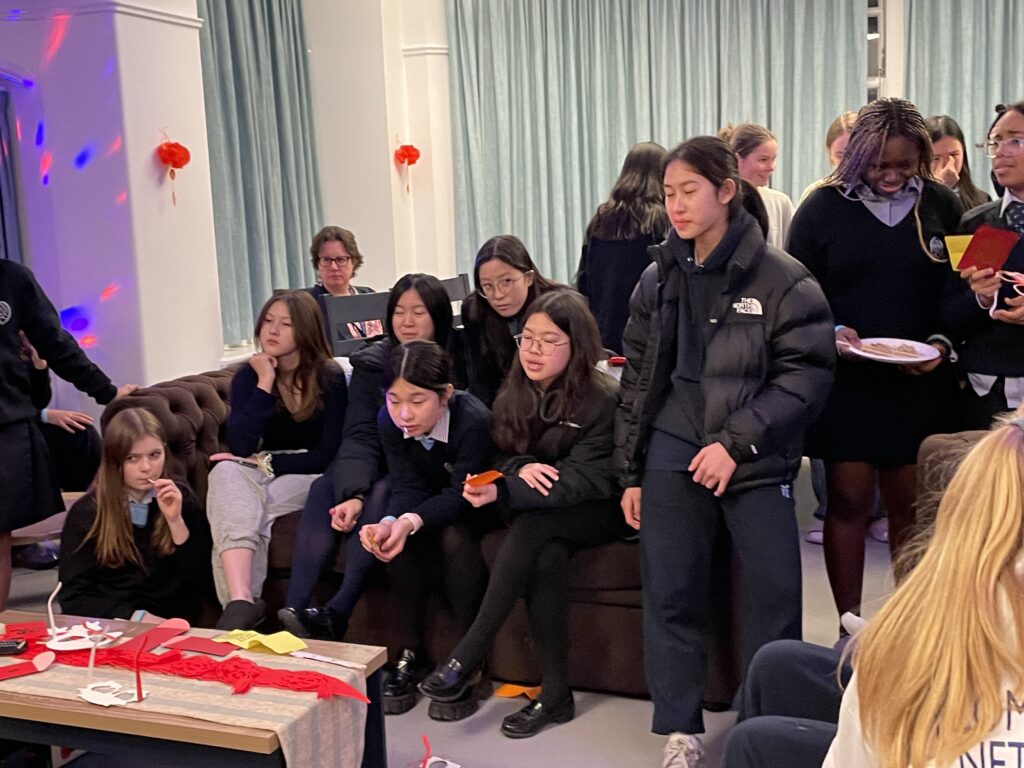

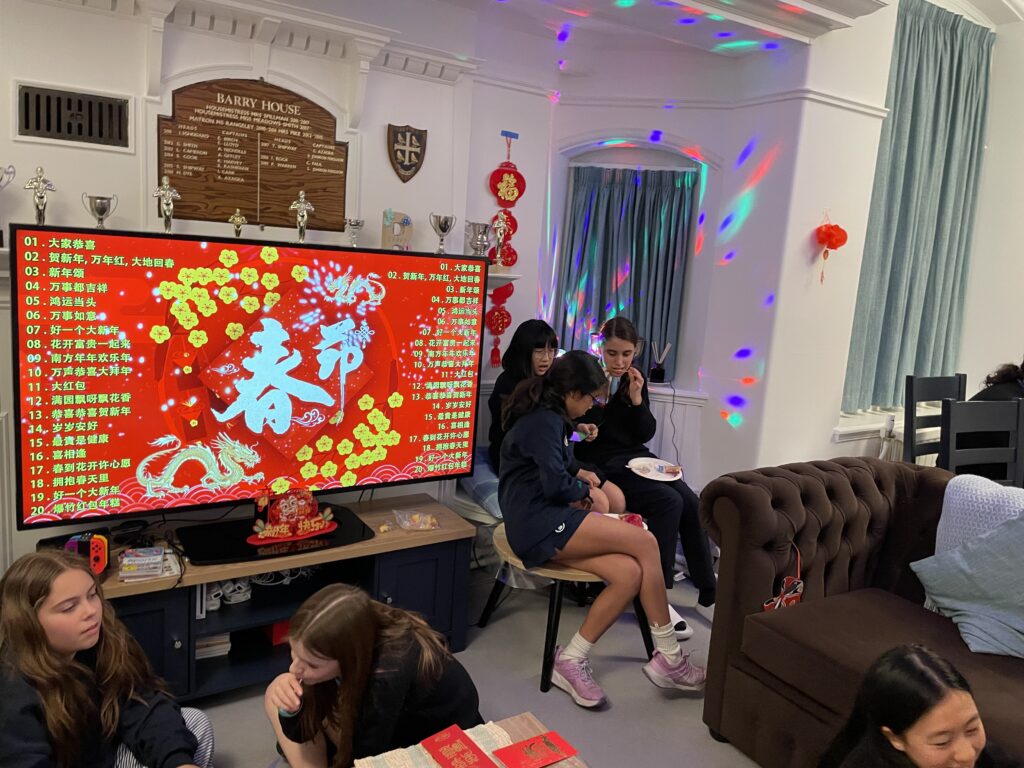

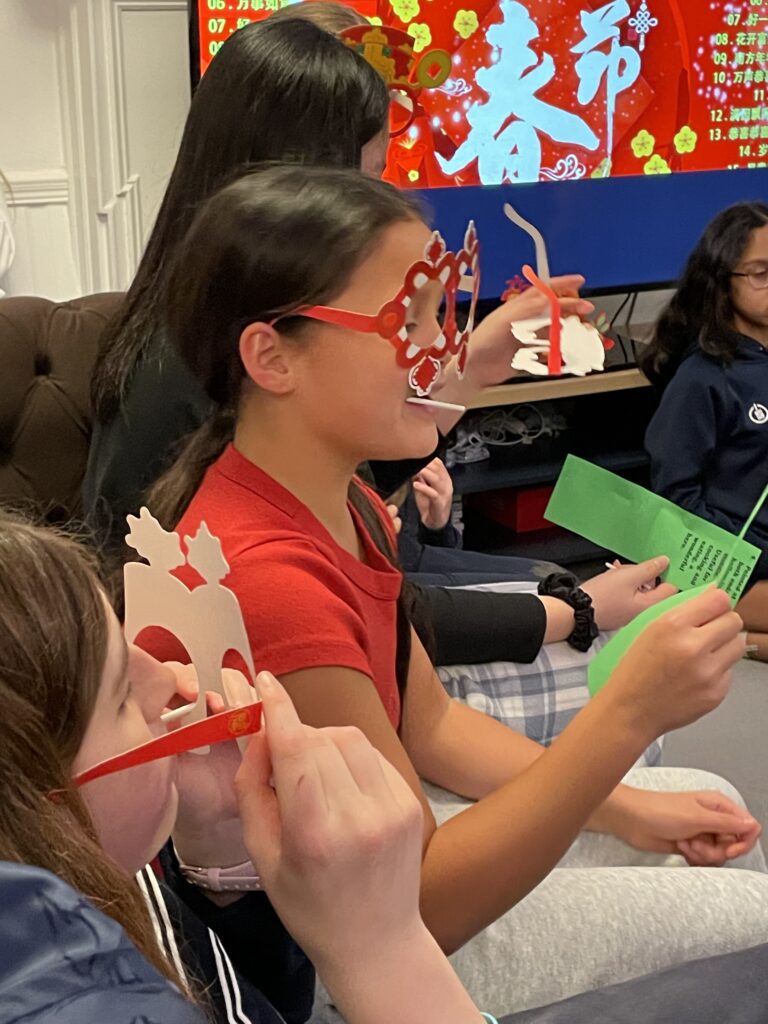


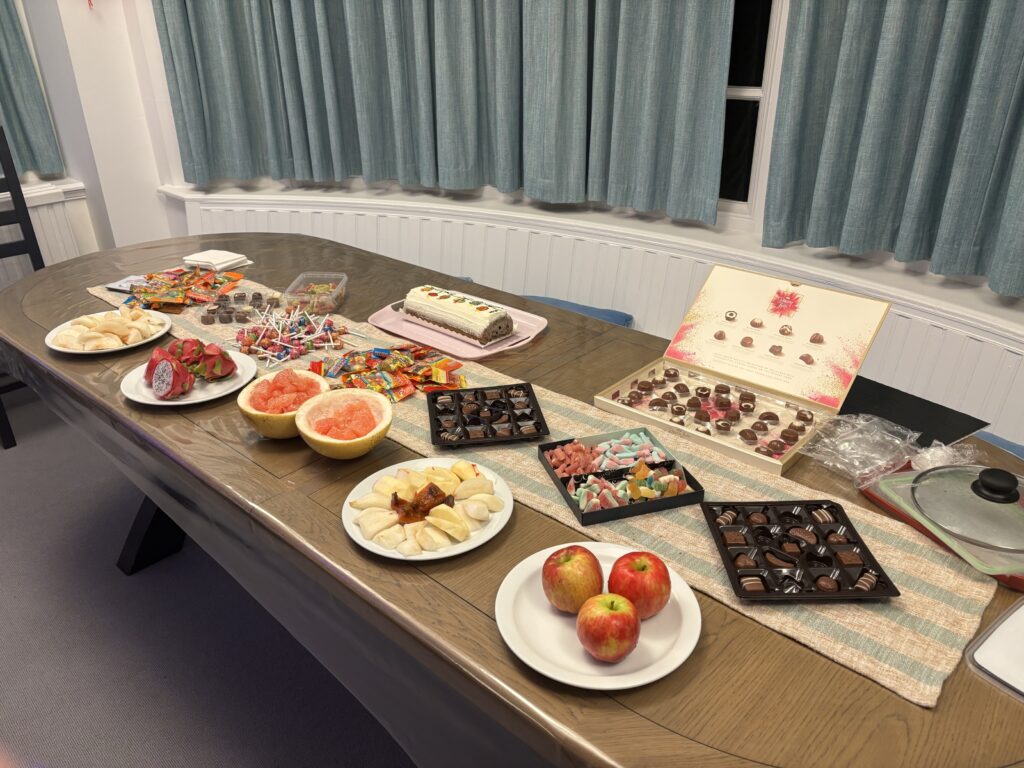






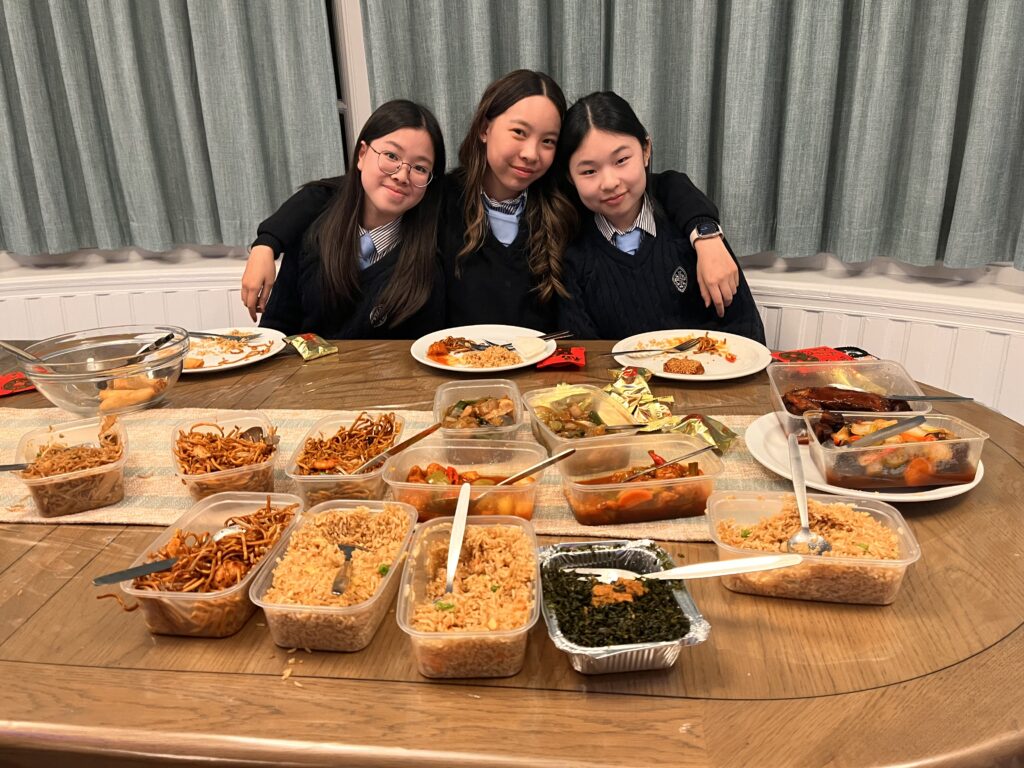
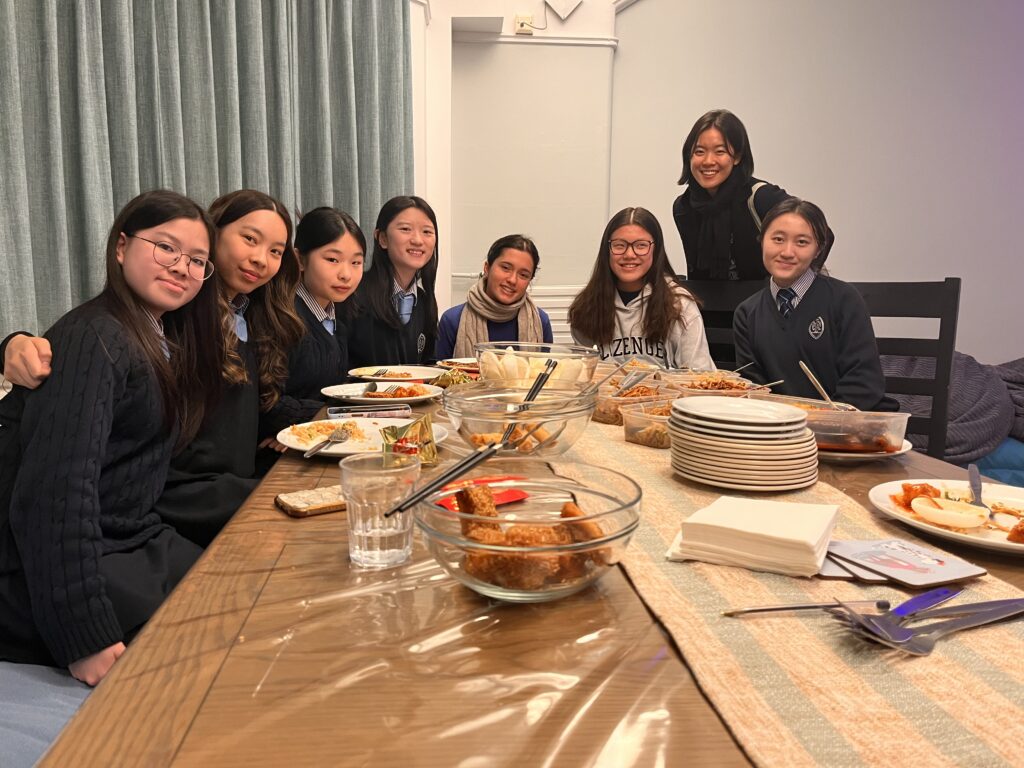
Barry House marked the end of the Lunar New Year by celebrating the Lantern Festival. The Chinese Lantern Festival marks the final day of the Lunar New Year celebrations, which traditionally last for fifteen days. Each day brings a different activity and type of food.
According to Chinese folklore, Nian—the year—is a monster. To protect their good fortune in the new year, people light firecrackers on New Year’s Eve to scare the monster away. In northern China, families and friends make dumplings during the first few days of the new year. Some believe these dumplings symbolise silver ingots, which represented large sums of money in ancient China. In southern China, people often eat sweet, sticky rice cakes to mark the festivities.
In Hong Kong, where many traditions are believed to have been preserved since antiquity, on the fifteenth day of the first month, children carry paper lanterns through the streets, play riddle games, and eat sticky rice balls in a variety of flavours. (Barry LVI Parent)
Wishing everyone a restful and refreshing Long Leave—we look forward to welcoming you back for a wonderful next half term.